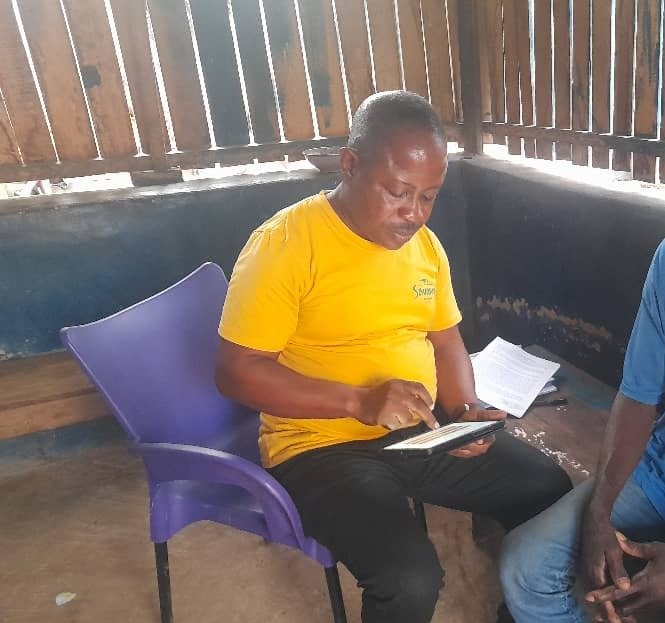
Data Collection Underway in Asuogyaman District Ghana: Uncovering Cultural Nuances through Focus Group Discussions
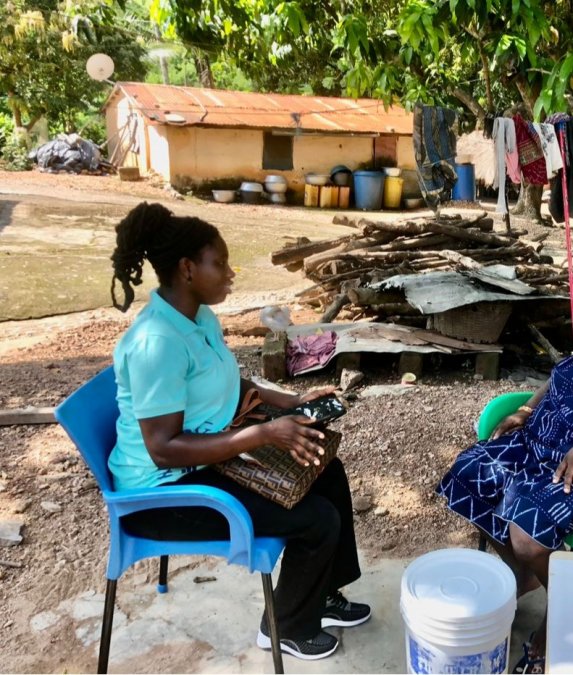
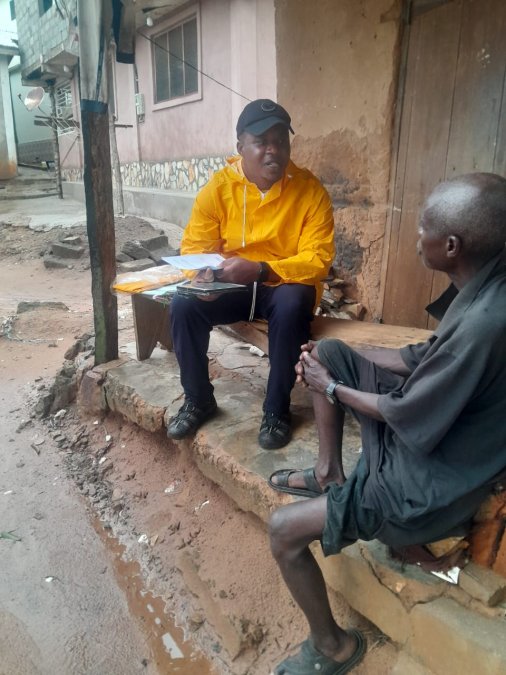
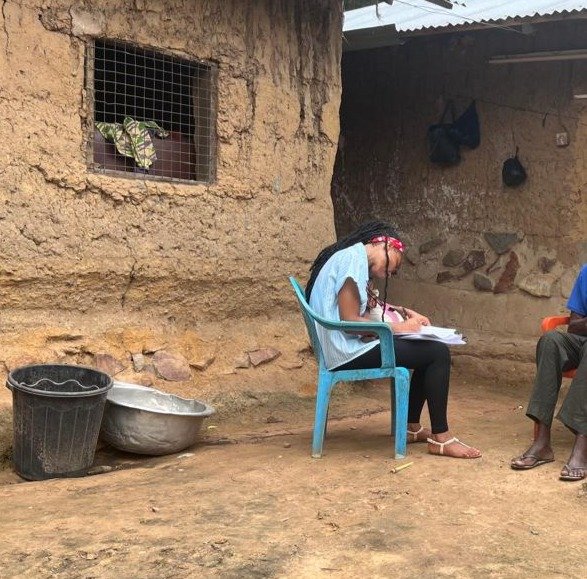
As part of the implementation of the WINGS-4-FGS project, a trained team of data collectors from project partner The University of Health and Allied Sciences (UHAS) has been deployed across communities in the Asuogyaman district in Ghana to gather primary data that will contribute to a deeper understanding of Female Genital Schistosomiasis (FGS), a neglected tropical disease that continues to affect women and girls in schistosomiasis-endemic areas.
This phase of fieldwork marks the transition from preparation to action. Following a five-day training programme held at UHAS in Ho, data collectors entered the field equipped with the knowledge, tools, and protocols to engage communities in a respectful and rigorous manner.
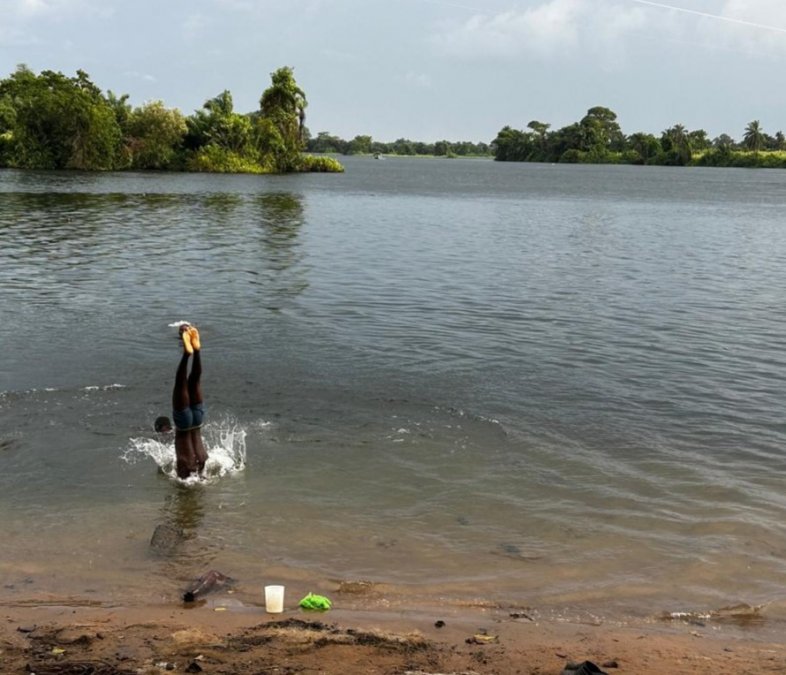
The communities of the Asuogyaman District sit along the Volta Lake a geography long associated with schistosomiasis transmission. Stepping into this landscape, our data collectors are visiting communities throughout the district, engaging with women and community members to collect data in line with the study's ethical guidelines and research objectives.
However, this initial deployment coincided with intense seasonal rains, turning regional transit and community gatherings into a significant challenge. Despite heavy downpours disrupting schedules, the dedication of our data collectors and the wonderful cooperation of the local people allowed the team to adapt to the fluid timelines, ensuring we met our expected sample sizes without rushing these important interactions.
The fieldwork involves structured interactions designed to gather information on community knowledge, experiences, and health-seeking behaviours related to FGS, a condition that remains widely underdiagnosed and poorly understood at the community level. Yet, everyday fieldwork continuously reminds us of the beautiful complexity of community life, revealing deep-seated cultural traditions that no standard textbook could ever fully prepare a team for.
For instance, during a Focus Group Discussion (FGD) organized in one of the visited communities, our team thoughtfully pre-arranged public seating to welcome the participating women. However, we received a gentle but vital cultural reminder: local traditions strictly dictate that widows are not permitted to sit on public chairs. To honor this norm and ensure their safe participation, two widows among us quietly returned to their homes to bring their own personal stools to join our circle. Furthermore, out of respect for local customs, these resilient women also needed to return home well before dusk, as widows are traditionally not permitted to stay out once it gets dark.
These field experiences remind us that public health is ultimately about people, and true trust is built where health initiatives meet cultural respect. By understanding these unique social and structural dynamics, the study seeks to generate evidence that can inform targeted health interventions, strengthen the capacity of health systems to respond to FGS, and ultimately improve the lives of women and girls in endemic communities.